
Artificial grass installation guide: How to install artificial grass step-by-step
Artificial grass gives you the look of a healthy, well-kept lawn without the ongoing work of mowing, watering or repairing dead patches. When installed correctly, it becomes a durable, low-maintenance surface that looks great and performs well for years.
In this guide, we walk you through the same process we use in professional installations. You will learn how to assess your site, prepare your base, lay and secure turf, choose the right infill and maintain your lawn so it keeps its shape and softness. We also answer common questions about excavation depth, drainage, pet-friendly infills and whether to install turf yourself or hire a professional team.
You will find step-by-step instructions, practical checklists, tool lists and troubleshooting advice, all grounded in hands-on experience with Australian conditions.
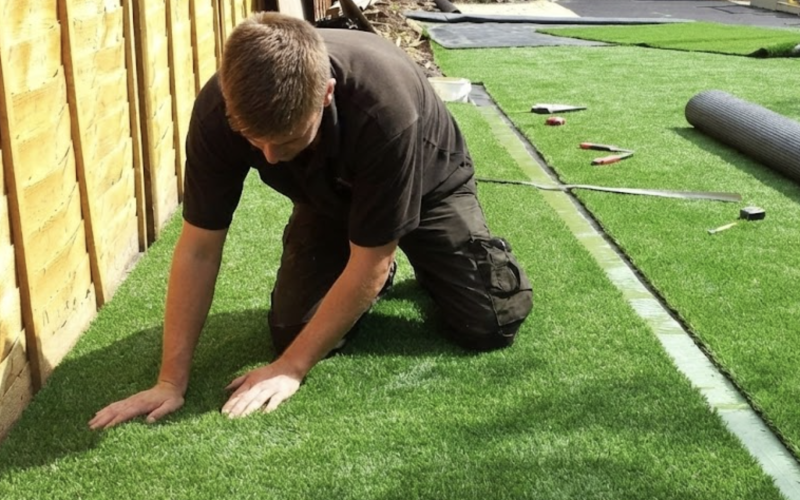
What are the essential steps for installing artificial grass?
Artificial grass installation follows a clear, reliable sequence. A strong sub-base, accurate seam work and well-applied infill all play a role in how natural and comfortable the turf feels once finished.
Installation essentials checklist
- Measure the area, identify slopes and underground services, and calculate material quantities
- Remove vegetation and excavate to the depth needed for your soil type and traffic levels
- Install edging, lay a permeable weed membrane and build your sub-base with compacted crushed aggregate
These steps form the foundation of a long-lasting synthetic lawn. Once the base is stable, the rest of the installation becomes much easier.
How do you prepare the base for artificial grass installation?
Preparing a strong, even base is one of the most important parts of the job. Remove turf, roots and soil until you reach a clean working surface. Set your edging so the base stays contained and your final lawn height matches surrounding surfaces.
Most residential projects need 3 to 4 inches of excavation. Spread crushed aggregate in layers and compact each lift thoroughly. The surface should feel firm and drain freely. Any soft spots you leave behind now will show up later as dips or wrinkles.
A well-prepared base gives your lawn the stability it needs.

What tools and materials are needed for synthetic grass installation?
Core tools
- Plate compactor
- Power broom
- Sharp utility knife
- Seam tape and turf adhesive
- Galvanised nails or staples
Essential materials
- Crushed aggregate
- Permeable weed membrane
- Seam tape and adhesive
- Infill suited to your use case
- Edging or bender board
How do you prepare the ground and base layer for artificial turf?
Your base layer is responsible for drainage, stability and long-term performance. Excavation depth, sub-base type and compaction all work together to create a reliable foundation.
Climate also matters. Hot regions benefit from cooling infills, while wet regions require higher-permeability bases or added drainage solutions.
Sub-base comparison
Crushed limestone or granite fines
- Depth: 3 to 4 inches compacted
- Drainage: moderate permeability
- Best for: residential lawns
Open-graded crushed rock
- Depth: 3 to 5 inches compacted in lifts
- Drainage: high permeability
- Best for: high rainfall areas
Decomposed granite
- Depth: 2.5 to 4 inches compacted
- Drainage: moderate
- Best for: pathways, borders and low-maintenance zones
Recycled crushed concrete
- Depth: 3 to 5 inches compacted
- Drainage: variable
- Best for: cost-effective installations
Selecting the right sub-base gives your turf the best chance of staying level and well-drained.
What is the recommended excavation depth and sub-base material?
For general home use, plan for 3 to 4 inches of compacted aggregate. High-traffic areas, clay soils or complex terrain may need 4 to 6 inches and sometimes a geotextile layer.
The deeper your base, the better it distributes load and resists shifting. Always compact in 2-inch layers and use the total area multiplied by depth to calculate your aggregate volume.
How do you install a weed barrier and ensure proper drainage?
A permeable weed barrier sits on top of your compacted base. Overlap seams by 6 to 8 inches so weeds cannot push through.
Create a gentle slope of 1-2% to direct water away from buildings. If you have areas prone to pooling, install channel drains or perforated pipes to move water out quickly.
Avoid barriers that hold water. They cause drainage issues that will eventually affect your turf.
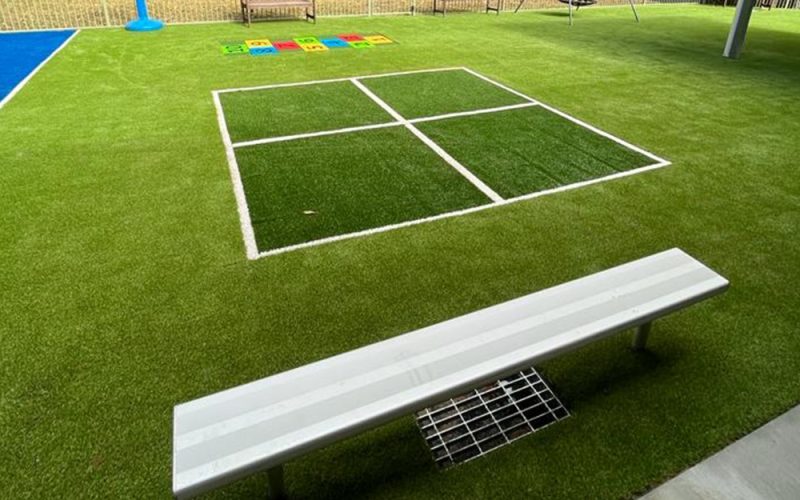
What are the best practices for laying and securing artificial grass?
Roll out the turf and let it warm in the sun so the backing relaxes. Keep pile direction consistent to avoid visible shading differences. Cut carefully, especially around curves or edges.
Secure the perimeter using nails or staples at the recommended spacing. Add infill gradually and use a power broom to lift fibres and help the infill settle into place.
How should you unroll, cut and position artificial turf rolls?
Use two people to handle rolls safely. Allow the turf to lay flat and acclimate before trimming.
Use chalk lines to guide your cuts and make small, careful adjustments around curves. Dry-fit seams before applying adhesive to ensure clean alignment.
How do you seam and secure artificial grass for a seamless finish?
Clean, precise seams are essential for a natural look. Trim edges neatly, position seam tape under the join and apply turf adhesive evenly.
Secure your perimeter with nails or staples. Use a power broom to blend infill into the seam and lift the fibres so the join becomes almost invisible.
Which artificial grass infill types are best and how are they applied?
Infill supports the turf fibres, reduces heat, adds weight and helps control odours in pet areas.
Infill comparison
Silica sand
- Benefits: affordable, good support
- Drawbacks: retains heat
- Best for: standard lawns
Zeolite
- Benefits: excellent odour control
- Drawbacks: higher cost
- Best for: pet areas
Coated or cooling sand
- Benefits: cooler surface, softer feel
- Drawbacks: premium price
- Best for: hot climates and comfort-focused lawns
TPE or EPDM rubber
- Benefits: cushioning and durability
- Drawbacks: off-gassing concerns for some users
- Best for: sports or play areas
Organic infills (cork, coconut)
- Benefits: sustainable, cooler temperatures
- Drawbacks: may need topping up over time
- Best for: environmentally conscious homes
Should you choose DIY artificial grass installation or hire professionals?
DIY installation is achievable with planning and the right tools. Professionals bring faster results, warranties and advanced equipment.
DIY vs professional comparison
DIY installation
- Lower labour cost
- More time and physical effort
- Best for small, simple yards
Professional installation
- Higher upfront cost
- Fast, consistent results
- Best for complex spaces or clients wanting guaranteed workmanship
Hybrid approach
- Mid-range cost
- Professional base preparation with DIY finishing
- Best for homeowners wanting the best of both options
What are the cost, complexity and benefits of DIY installation?
DIY gives you control over materials and saves on labour, but it requires learning how to grade, compact and seam correctly. Mistakes in these areas are the most common causes of long-term issues.
Budget for tool rentals, aggregate, disposal of soil and extra materials. A well-organised checklist and good preparation make a big difference.
When is professional installation recommended and what are its advantages?
Professionals are ideal for steep slopes, large areas, poor soils or installations over hard surfaces like concrete and decking. An experienced team delivers strong compaction, clean seams and reliable drainage solutions.
You also gain access to high-end equipment and warranties that protect your investment.
How do you maintain and troubleshoot artificial grass after installation?
Routine maintenance keeps your lawn looking fresh. Remove debris regularly, brush high-traffic areas, rinse occasionally and handle pet waste promptly.
Troubleshooting involves checking drainage, seams and fibre condition. Most small issues are easy to address with early intervention.
Cooling infills and recyclable materials are becoming more common, giving you more ways to improve performance over time.
What are the best practices for cleaning and maintaining synthetic turf?
Seasonal maintenance checklist
Weekly
- Remove debris
- Inspect seams and edges
Monthly
- Brush fibres in high-traffic zones
- Check infill levels
Quarterly
- Rinse turf in dusty or coastal environments
Annually
- Inspect drainage and base performance
- Top up infill if blades begin to lean
Pet areas need more frequent rinsing and occasional odour treatments. Keep harsh chemicals away from the lawn.
How do you address common issues like drainage problems and repairs?
To diagnose drainage issues, check whether water sits on top of the turf or beneath it in the base. Surface pooling usually points to a blocked membrane or mis-graded area. Pooling beneath the surface often means the base needs more permeability.
Seam separation can be repaired by removing local infill, reapplying adhesive and resetting the join. Matting improves with brushing and infill adjustments. Widespread settlement may require a partial base rebuild.
A staged approach lets you resolve minor issues before deciding whether larger repairs are needed.
Ready to get started?
Ready to install artificial grass in your backyard? Get in touch with our team at Coastal Evergreen and we’ll help you get underway. Give us a call or get an online quote today.